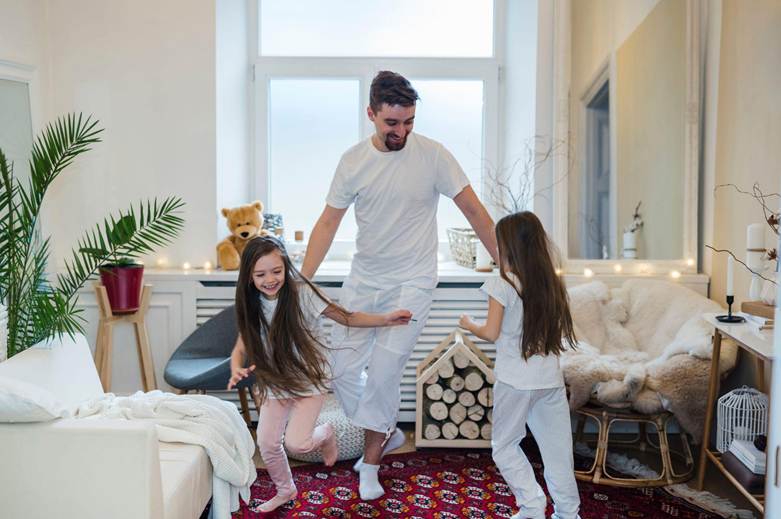
On the microsite of LaShonda Herndon, themes of family, travel, and lifestyle naturally converge around a powerful idea: that a meaningful life is not accidental. It is designed. At the center of that design is intentional living, the conscious alignment of environment, relationships, and daily habits to support lasting well-being.
In a fast-moving world, it is easy to treat home as a place to return to rather than a space to shape. Yet the environments people create, the experiences they pursue, and the connections they nurture quietly influence emotional balance, resilience, and clarity.
A life that feels like home is not defined by square footage or frequent travel stamps. It is defined by alignment.
Intentional Living Begins with Environment
The physical environment plays a profound role in mental and emotional health. Research in interior design psychology consistently shows that light, layout, color, and organization affect stress levels, mood regulation, and productivity.
A thoughtfully arranged space supports:
- Calm decision-making
- Restorative sleep
- Clearer focus
- Reduced sensory overload
- Stronger emotional grounding
When people embrace intentional living, they shift from decorating reactively to designing deliberately. Furniture placement becomes about flow. Lighting becomes about rhythm. Storage becomes about reducing friction in daily life.
A peaceful home is not necessarily minimalist or luxurious. It is cohesive. It reflects values. It supports routine rather than complicating it.
Even small adjustments, like decluttering entryways, introducing natural textures, and prioritizing functional comfort, can significantly improve the home environment and mental health.
Travel as a Catalyst for Personal Growth
While home anchors stability, travel expands perspective. Exposure to different cultures, cuisines, landscapes, and lifestyles strengthens adaptability and empathy.
Travel deeply intertwines with personal growth. New environments challenge assumptions and sharpen awareness. They encourage flexibility and reinforce gratitude for everyday comforts.
Experiences outside familiar routines often lead to:
- Greater appreciation for home
- Enhanced creativity
- Improved problem-solving
- Broader cultural understanding
- Renewed family connection
Travel does not require distance to be transformative. Weekend explorations, culinary discoveries, or nature retreats can refresh perspective just as powerfully as international journeys.
Within the framework of intentional living, travel is not escapism. It is enrichment. It feeds curiosity while clarifying what truly matters.
Family Well-Being Is Built Through Shared Spaces
Homes are not simply structures; they are emotional ecosystems. The way a space is organized influences how family members interact within it.
Open communal areas encourage conversation. Comfortable seating invites connection. Shared dining spaces foster routine dialogue. Quiet corners create opportunities for reflection.
Family well-being strengthens when environments promote:
- Shared meals without distraction
- Unhurried conversation
- Mutual respect for personal space
- Rituals that anchor daily life
- Flexibility for evolving needs
Intentional home design does not prioritize aesthetics alone. It prioritizes interaction.
Children benefit from structured yet warm spaces that support both creativity and order. Adults benefit from designated zones that separate work from rest. Respecting these boundaries reduces stress and enhances emotional connection.
A home becomes more than shelter; it becomes a stabilizing force.
Interior Design Psychology and Emotional Balance
Interior design psychology emphasizes that physical surroundings subtly influence cognitive processing. Colors affect energy. Natural elements reduce stress. Symmetry promotes calm. Clutter elevates cortisol levels.
Creating a peaceful home involves understanding these dynamics and applying them intentionally.
Key principles include:
- Maximizing natural light to regulate circadian rhythms
- Incorporating plants for sensory balance
- Using soft textures to encourage relaxation
- Designing functional storage to reduce visual chaos
- Choosing colors that align with desired emotional tone
These elements are not trends. They are tools.
When individuals adopt intentional living, they evaluate whether their surroundings support who they want to become. Does the bedroom encourage restoration? Does the workspace inspire focus? Does the living area invite genuine connection?
Design becomes self-awareness expressed spatially.
Lifestyle Balance Through Rhythmic Living
Well-being is less about dramatic change and more about daily rhythm. Travel introduces variation. Home introduces consistency. Family introduces meaning.
Balancing these elements requires clarity about priorities.
A sustainable lifestyle balance often includes:
- Regular family rituals
- Planned moments of exploration
- Spaces dedicated to restoration
- Boundaries between work and personal time
- Mindful transitions between activity and rest
Intentional living recognizes that burnout often stems from imbalance rather than overcommitment alone. When environments align with values, energy is preserved rather than depleted.
The goal is not perfection. It is coherence.
Emotional Connection at Home
Emotional connection thrives in spaces that feel safe, welcoming, and reflective of shared identity.
Homes that foster connection often incorporate:
- Personal photographs and meaningful objects
- Comfortable seating arranged for conversation
- Music or scents that create sensory familiarity
- Defined spaces for shared hobbies
- Areas where technology is minimized
These details may seem small, yet they accumulate into an atmosphere. Atmosphere shapes interaction.
When a space communicates belonging, it lowers defensiveness and increases openness. That openness strengthens family well-being and builds resilience during stressful periods.
In this way, home becomes both refuge and resource.
Designing Beyond Aesthetics
Too often, interior design is reduced to visual appeal. Yet the deeper function of design is experiential.
A thoughtfully curated home supports:
- Emotional regulation
- Cognitive clarity
- Relational warmth
- Physical restoration
- Personal growth
Travel contributes perspective. Family contributes purpose. Interior spaces contribute structure.
Together, they form the ecosystem of daily life.
Intentional living weaves these components together rather than allowing them to compete. It recognizes that well-being is not compartmentalized. It is holistic.
The Long-Term Impact of Intentional Living
Over time, small design choices compound. A clutter-free entry reduces daily friction. A shared dining ritual builds generational memory. A planned getaway refreshes mental bandwidth. A calming bedroom supports restorative sleep.
These incremental adjustments build durable stability.
The long-term benefits include:
- Stronger emotional resilience
- Clearer priorities
- Deeper family bonds
- Greater appreciation for everyday moments
- Improved mental and physical balance
Designing a life that feels like home is not about perfection. It is about alignment between environment and intention, experience and reflection, and structure and warmth.
When travel broadens perspective, family deepens connection, and interior spaces support clarity, well-being becomes sustainable rather than aspirational.
Home, then, is not merely where one lives. It is where life is shaped intentionally, thoughtfully, and with purpose.